
|
Understanding the Difference Between Rideshare and Waymo Accident Claims
|
Why Uber, Lyft, and Waymo Claims Work Differently
Many people assume a rideshare accident and a Waymo accident follow the same process as an ordinary car crash. In reality, Uber, Lyft, and autonomous vehicle claims often involve different insurance layers, digital records, corporate reporting systems, and liability questions than standard two-driver accidents.
In Los Angeles, these issues appear frequently around airport pickups, Hollywood nightlife traffic, Koreatown rideshare congestion, Downtown LA corridors, and areas where Waymo robotaxi services operate regularly. Understanding what kind of claim you are dealing with early can help preserve important evidence before it disappears.
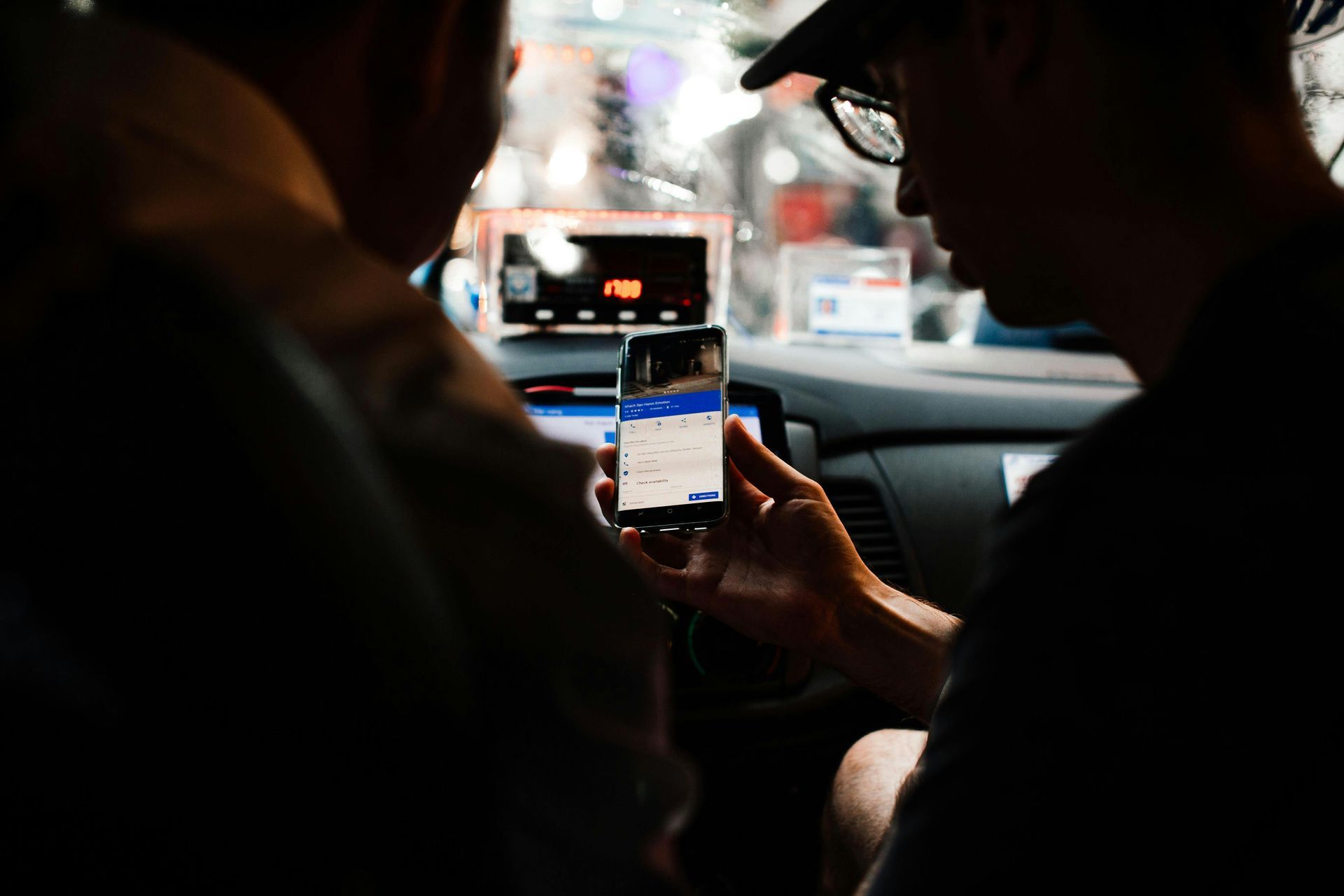
|
How Uber and Lyft Accident Claims Usually Work
Rideshare accidents often depend on:
- Whether the app was active during the crash.
- Whether the driver was waiting for a ride, carrying a passenger, or offline.
- Which insurance policy applies at the time of the collision.
- Whether the injured person was a passenger, pedestrian, rideshare driver, or another motorist.
Rideshare claims may involve:
- Driver insurance policies.
- Uber or Lyft corporate coverage.
- App activity records.
- Trip timelines and digital communications.
|
How Waymo Accident Claims May Differ
Waymo accident claims often involve additional evidence and liability issues beyond ordinary rideshare crashes. These claims may include:
- Autonomous driving system data.
- Sensor and camera information.
- Vehicle software and braking records.
- Corporate risk-review procedures.
- Questions involving autonomous operation versus human intervention.
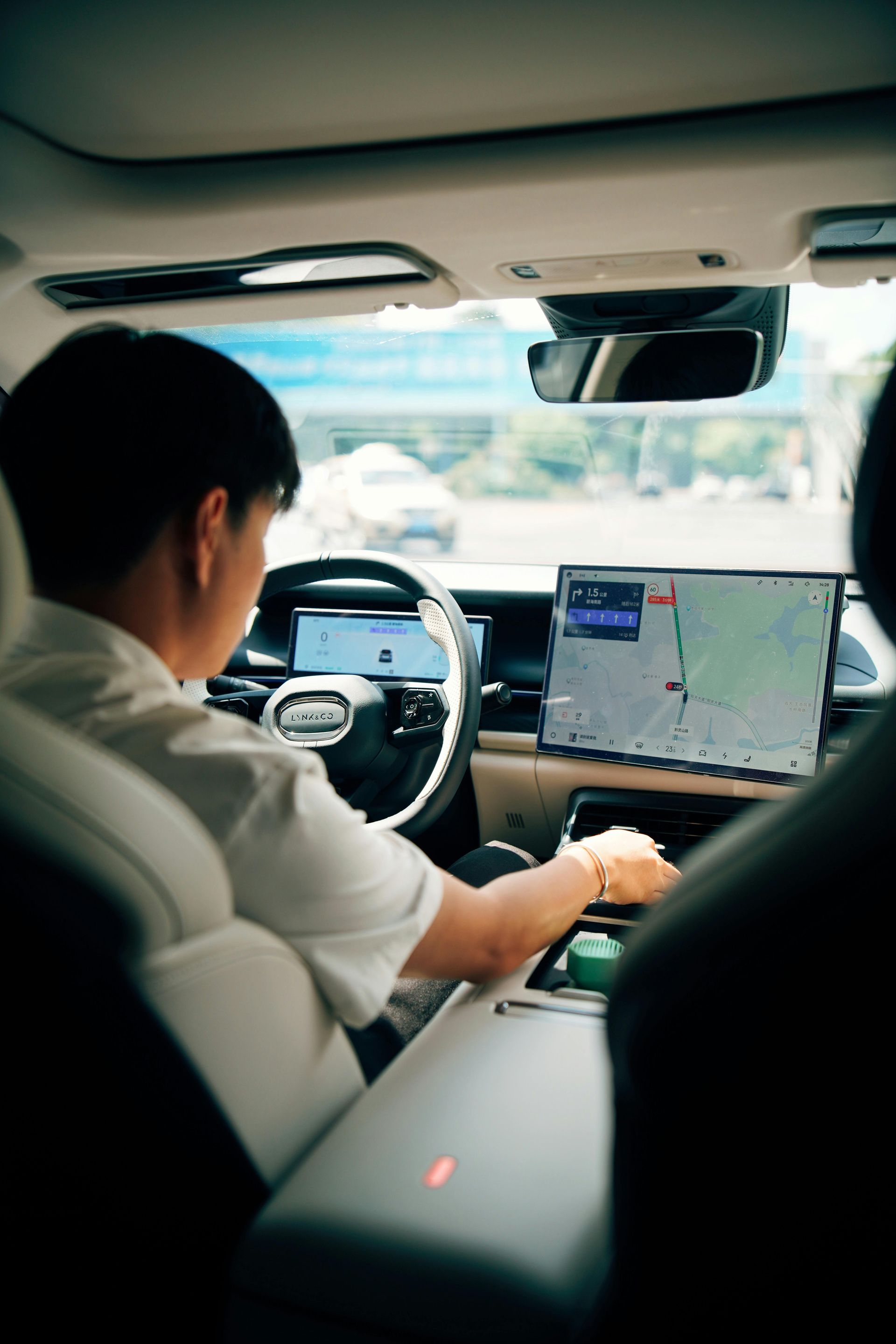
standard rideshare accidents, Waymo claims may focus more heavily on digital vehicle evidence and technical records that are not visible at the crash scene itself.

|
Important Evidence in App-Based Accident Claims
- Trip status and ride history.
- App screenshots and ride receipts.
- GPS and route information.
- Photos of the crash scene and roadway.
- Witness information and police reports.
- Vehicle camera or onboard data when available.
Preserving digital evidence early may become important before records change or disappear.
|
Why Insurance Questions Become More Complicated
App-based accidents may involve overlapping insurance policies, disputes over app status, and questions about who controlled the vehicle at the time of the collision. These issues can affect:
- Which insurer handles the claim.
- Available coverage limits.
- How liability is evaluated.
- Whether multiple parties may share responsibility.
The Law Offices of Ricardo A. Lopez brings prior insurance-claims experience to rideshare and Waymo accident matters, including understanding how insurers review evidence, statements, and digital records.
Common Questions About Rideshare and Waymo Accidents
How is a Waymo accident different from an Uber accident?
Waymo claims may involve autonomous driving systems, onboard vehicle data, and additional technical evidence that does not exist in ordinary rideshare crashes.
What insurance applies after a rideshare crash?
The answer often depends on whether the app was active, whether a passenger was present, and which stage of the ride was underway.
Who may be liable in a Waymo accident?
Liability may involve multiple parties depending on the facts, including drivers, companies, software systems, or other involved vehicles.
What should I do after an Uber or Lyft accident in Los Angeles?
Seek medical attention, preserve digital records and screenshots, document the scene, and avoid rushing insurance communication before understanding the claim structure fully.
Why does digital evidence matter in these cases?
Trip data, app records, vehicle information, and ride timelines may become important evidence that is not available in ordinary crash investigations.
Modern Accident Claims Require Modern Evidence
Rideshare and autonomous vehicle claims can become more difficult when app records, trip details, or digital evidence are not preserved early. The Law Offices of Ricardo A. Lopez helps Los Angeles accident victims move forward with organized guidance, bilingual communication, and direct attorney access after Uber, Lyft, and Waymo-related collisions.